
AI Endocrine Summary & Ongoing TRT Maintenance Intake
Physiological breakdown of the weeks 4–6 HPG axis shutdown, receptor recalibration, and micro-dosed androgen stability
What Causes the TRT Honeymoon Phase and Why Does It Fade After Weeks 4–8?
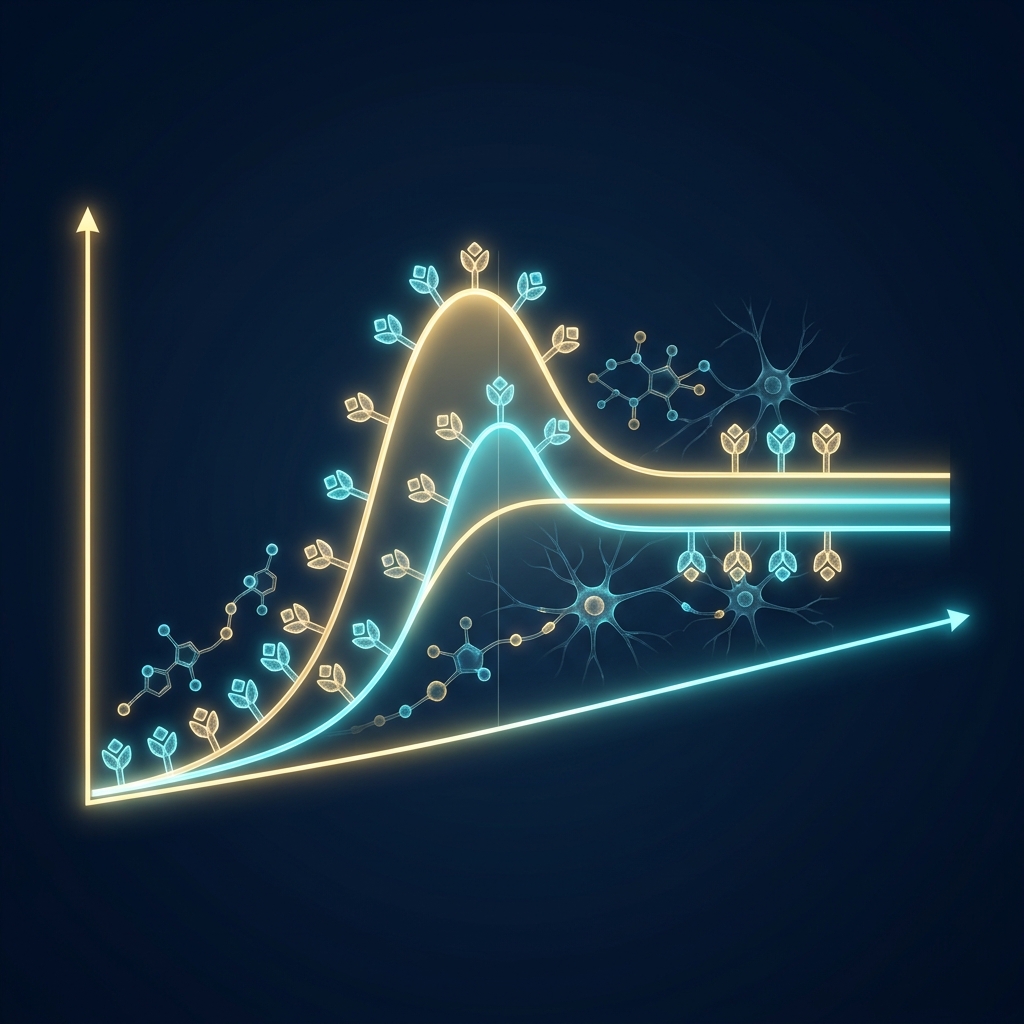
The TRT honeymoon phase is a temporary physiological window occurring during weeks 1 through 3 of testosterone replacement therapy where patients experience intense euphoria and libido surges because injected exogenous testosterone temporarily overlaps with lingering natural testicular production before the hypothalamic-pituitary-gonadal (HPG) axis shuts down at weeks 4 to 6. At weeks 4 to 6, hypothalamic sensing of elevated circulating androgens halts gonadotropin-releasing hormone (GnRH), causing pituitary luteinizing hormone (LH) and follicle-stimulating hormone (FSH) to drop to zero (<0.5 mIU/mL). As natural production ceases and androgen receptors downregulate to homeostatic equilibrium, transitioning to split twice-weekly subcutaneous injections prevents trough crashes and controls aromatization into estradiol.
"The initial 3-week euphoria on TRT isn't a permanent baseline—it is a temporary biological surplus where the testes are still firing while pharmaceutical testosterone peaks in the bloodstream. Once the pituitary shuts down LH signaling at week 4, men who are on infrequent once-every-two-weeks injection protocols experience an intense energy crash. Splitting the weekly dose into twice-weekly micro-administrations maintains a steady 800 ng/dL trough without estrogen spikes."— Dr. Alexander Wright, MD, FACP, Clinical Associate Professor of Endocrinology & Obesity Medicine Specialist
If you talk to men who have recently started Testosterone Replacement Therapy (TRT) with a best online TRT clinic, they will often describe weeks 3 through 8 as feeling like they have conquered the world. Their energy is through the roof, their libido feels like they are 18 again, and they have an unshakeable sense of well-being.
This is universally referred to as the "TRT Honeymoon Phase." But then, around week 10 or 12, the feeling normalizes. They still feel great, but that "god-mode" euphoria seems to fade. What causes this biological high, why does it end, and how do you optimize your protocol so that the new "normal" remains excellent?
The 4 Phases of TRT Adaptation (Weeks 1–12+)
Click each phase to trace receptor kinetics, biomarker shifts, and clinical management strategies:
Exogenous + Endogenous Overlap
Peak Euphoria WindowYour brain has not yet detected external hormones. Endogenous testicular production continues while injected testosterone enters circulation, temporarily spiking total T well above target levels.
The Biology of the Honeymoon Phase
The honeymoon phase is a temporary neuro-chemical phenomenon driven by three overlapping factors:
1. The Double Production Overlap
When you take your first few doses of exogenous testosterone, your brain has not yet realized that there is an external supply. It takes a few weeks for the Hypothalamic-Pituitary-Gonadal (HPG) axis to shut down your natural production. During this brief window, you are benefiting from both your natural testosterone and the injected testosterone simultaneously, pushing your total levels higher than your intended clinical dose.
2. Dopamine Upregulation
Testosterone drastically upregulates dopamine receptors in the brain. After years of running on low T (and low dopamine), suddenly flooding the brain with optimal hormones causes a massive dopamine spike. This is what creates that euphoric feeling of motivation and intense libido.
3. Unadjusted Estrogen (In a Good Way)
Testosterone converts to estrogen (estradiol) via the aromatase enzyme. Estrogen is highly neuroprotective and great for libido. In the first few weeks, estrogen levels rise alongside testosterone before the body tries to forcefully regulate it. This optimal ratio of high T and moderately high estrogen feels fantastic.
Don't Crash After Week 8: Order Comprehensive Lab Blood Work
When men feel the honeymoon phase fade, 90% assume their testosterone is too low. In reality, the most common culprit is estrogen hyper-aromatization or excessive SHBG binding. Ordering comprehensive testosterone blood work at Week 8 identifies the precise reason and allows your clinician to dial in your protocol.
Why It Fades (The New Normal)
The human body is an adaptation machine; it constantly seeks homeostasis. Around week 8 to 12:
- Your natural testosterone production shuts down completely, bringing your total levels back down strictly to your clinical dose.
- Your brain's dopamine receptors downregulate to adjust to the new, higher hormonal baseline. The euphoria goes away, leaving a stable sense of focus.
- Your body may over-aromatize the testosterone into estrogen, causing water retention or moody side effects if the dose isn't properly dialed in.
The Danger of "Chasing the Dragon"
Many men mistake the end of the honeymoon phase for the TRT "stopping working." They beg their clinician to increase their dose from 120mg to 200mg a week to get that euphoric feeling back. This is a mistake. Constantly increasing the dose just triggers massive estrogen conversion and cardiovascular strain. The goal of TRT is stable optimization, not a permanent high.
How to Maintain Optimal Results Long-Term
To ensure your new "normal" post-honeymoon phase remains vastly superior to your old baseline, Telehealth FX clinicians focus on three things:
- Frequent Dosing: Injecting or applying medication twice a week or every other day prevents massive peaks and valleys, keeping the brain's receptors constantly fed without triggering aggressive estrogen conversion.
- Managing Estrogen: If the honeymoon phase ends in a crash (lethargy, bloating, loss of morning erections), your estrogen may have spiked too high. A micro-dose of an Aromatase Inhibitor (AI) or a slight reduction in testosterone dose usually fixes this immediately.
- Adding HCG: Incorporating Human Chorionic Gonadotropin (HCG) alongside your TRT prevents your natural production from shutting down, maintaining testicular volume and keeping important neuro-steroids active in the brain.
Pricing Transparency: Online TRT vs. Local Men's Clinics
When evaluating TRT cost per month, brick-and-mortar "Low-T" clinics often hide mandatory weekly injection fees, required in-office copays, and marked-up blood tests. See how Telehealth FX compares:
| Program Parameter | Telehealth FX | Local Brick-and-Mortar Men's Clinic |
|---|---|---|
| Monthly Medication Cost | From $79 / month (All-Inclusive) | $250 – $400 / month |
| In-Office Mandatory Copays | $0 (100% Remote Telehealth) | $35 – $75 per weekly visit |
| Comprehensive Lab Blood Work | $95 Flat Rate (or bring your own) | $150 – $300 marked-up lab fee |
| Medication Delivery Modality | Discreet Cold-Pack Home Delivery | Mandatory in-person weekly visits |
| Syringes, Swabs & Anastrozole | Included with Zero Surcharges | $30 – $60 extra add-on fees |
| Total Annual Out-of-Pocket | ~$1,043 / year total | $3,600 – $5,400+ / year total |
Frequently Asked Questions
What is the TRT honeymoon phase?
The TRT honeymoon phase is a temporary window during the first 2 to 6 weeks of testosterone replacement therapy where patients experience an intense surge in energy, libido, and well-being. This occurs because injected exogenous testosterone overlaps with lingering endogenous testicular production before the hypothalamic-pituitary-gonadal (HPG) axis shuts down.
Why do TRT honeymoon effects fade after week 8?
The initial euphoric honeymoon surge fades as natural luteinizing hormone halts, androgen receptors recalibrate to constant circulating hormone levels, and excess testosterone begins aromatizing into estradiol. Without protocol adjustments or micro-dosing, rising estrogen and changing free testosterone levels can cause symptoms to normalize or crash.
What blood work is required to maintain TRT benefits?
Maintaining long-term TRT stability requires a comprehensive follow-up lab panel at week 8 to 12. Essential biomarkers include Total and Free Testosterone, Sensitive Estradiol (E2), Complete Blood Count (CBC) with Hematocrit to prevent erythrocytosis, Prostate-Specific Antigen (PSA), and a Comprehensive Metabolic Panel.
Expert Management for Long-Term Success
Don't guess with your protocol. Get expert clinical management that keeps you optimized year-round starting from $79/mo.
See If You Qualify